Try it in your pool for 30 days. Exchange it for another Dolphin for free, or return it with no restocking fee.
Your bag is empty.
By Pool Surface
Robotic Pool Cleaners for Stainless Steel Pools
Stainless steel is not on any robot's published surface list, so these are smooth-hard-surface matches, not certified ones. Here is what to check before buying.
Our shortlist focuses on Dolphin models available with authorized-dealer support. The buying criteria below also give you a useful framework for evaluating alternatives from any brand.
Before you buy
None of the five Dolphins in these guides publishes stainless steel in its surface list. The picks below are matches for a smooth, hard surface, not certified fits. Wall traction on polished metal is uncertain, and a robot cleans the basin, not an overflow gutter. Confirm with your pool builder before you buy.
Stainless steel pools are a class apart: welded metal shells, often indoors, on rooftops or built with a perimeter overflow so the water sits level with the deck. They are smooth, hard and expensive, and their owners are right to be careful about what goes in them. The first thing to know about choosing the best robotic pool cleaner for stainless steel pools is that no robot on this page lists stainless steel as a supported surface.
That does not make a robot the wrong idea. The brushes are soft PVC and the tracks are rubber, and neither marks steel. What it means is that we can offer a reasoned match, not a certified one, and that three practical questions need answers first: wall traction, the overflow gutter and grit.
$0 restockingNo-cost exchanges
Free shippingNationwide
Up to 3 yearsPremier & Sigma
30-day trialIn your own pool
Expert shortlist
Smooth-Surface Matches for Stainless Steel Pools
Ranked for this job, with the reason each model earned its place and the point where it stops being the right choice.
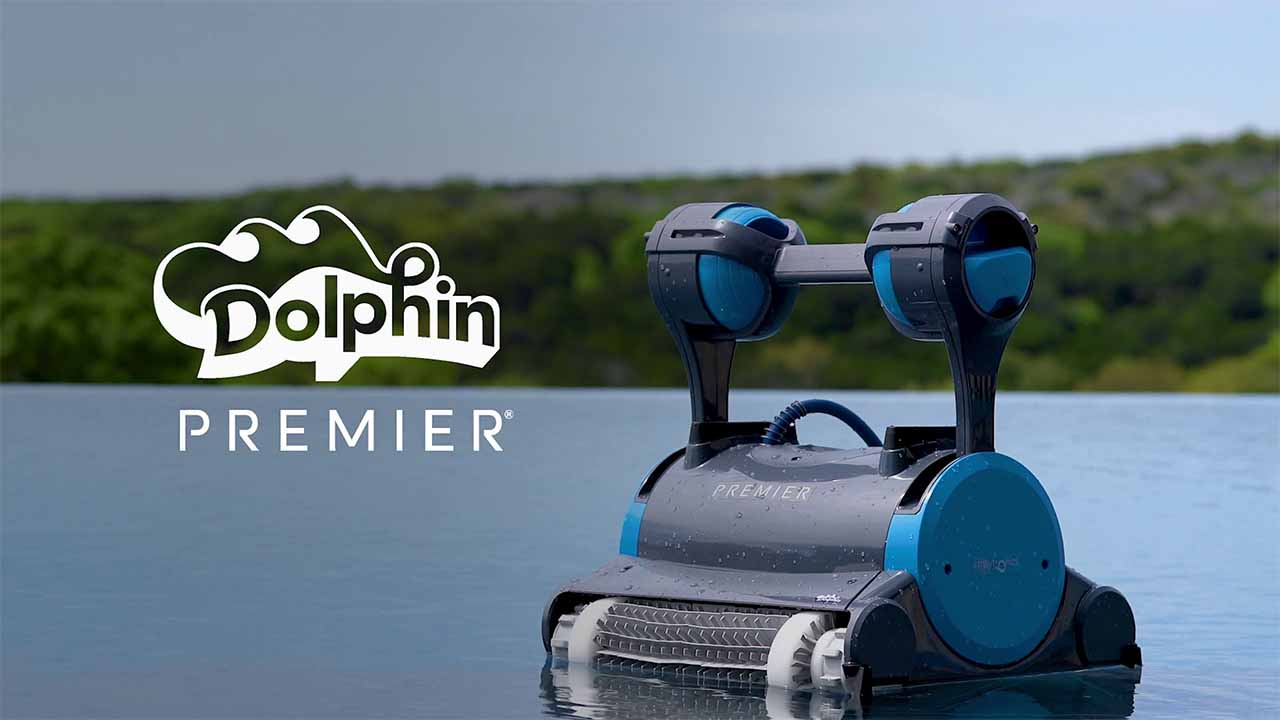
With no certified option, we choose the robot that gives a smooth wall the best chance and the pool the cleanest water. The Premier has dual scrubbing brushes and HyperGrip tracks, cleans floor, walls and waterline, and runs for 3 hours, the longest cycle here. Its Multi-Media set includes NanoFilters, the right media for the fine dust of an indoor or rooftop pool and for grit you do not want resting on steel. Tile and fiberglass, the nearest published surfaces to steel, are both on its list.
Best for
Residential stainless pools up to 50 ft where the waterline band matters and fine dust is the main debris.
Keep in mind
Stainless steel is not on its surface list, and its climb on polished walls has to be confirmed in your pool.
On a surface with little natural grip, contact area is worth having, and the Sigma has quad scrubbing brushes where the first pick has two. A trio of commercial-grade ProLine motors delivers 4,500 GPH, and it cleans to the waterline with NanoFilters and standard cartridges included. For an indoor pool, scheduling by day and time in the myDolphin Plus app lets cleaning happen when the room is empty. It is second because it is the heaviest and the highest-priced robot, on a pool where the fit is unproven until you see it climb.
Best for
Owners who want maximum brush contact on smooth walls and app scheduling for an indoor or rooftop pool.
Keep in mind
At 24.6 lb it is the heaviest to lift over a deck-level edge, and steel is not on its surface list either.
The Quantum is the least expensive of the waterline robots, a fair consideration when you are proving fit on an uncertified surface. Both of its HyperBrushes turn at twice standard brush speed, it rides on continuous rubber HyperGrip tracks, and its coverage extends to stairs, sun shelves and Baja ledges, useful because steel pools often have steps and ledges formed from the same sheet. You get a complete set of NanoFilter panels, a one-click top-load XXL MaxBin basket, and the lowest weight among the three waterline robots at 18.3 lb.
Best for
Steel pools with built-in steps or a shallow ledge, and owners limiting what they spend on an unproven fit.
Keep in mind
Steel is missing from its surface list too, the warranty term is 2 years, and it runs 2 hours, less than either robot above.
A good share of stainless pools are compact: plunge pools, rooftop pools and indoor exercise pools well inside 33 ft. The Cayman is rated for that length and weighs 14.6 lb, the easiest of these four to lift out over a rim. A lone HyperBrush, twice as quick as Dolphin's standard brushes, scrubs floor and walls on HyperGrip tracks, and a 2-hour cycle starts on the timer every day, so dust does not get the chance to sit. For a steel pool we would add the optional NanoFilter panels.
Best for
Small indoor, rooftop or plunge-style steel pools where daily floor and wall cleaning is enough.
Keep in mind
The band at the water's surface is yours to wipe, it carries a single brush, and there is no swivel in its cable.
How we ranked them: We matched filtration, brush system, coverage, debris capacity, automation, and warranty to this page's buying need. Pool fit carries more weight than the longest feature list.
Buying criteria
The Practical Questions for a Steel Pool
01
Traction on Polished Metal
A robot grips a wall with its tracks and brushes. Brushed or patterned steel offers some bite; mirror-polished steel offers little. Expect dependable floor cleaning, and treat upper-wall and waterline coverage as something to verify in your own pool.
02
The Floor-to-Wall Corner
A robot moves from floor to wall most easily over a curved cove. Some steel pools are fabricated with a tight radius or a square corner where wall meets floor. Ask your builder which you have, because it can affect how well any robot climbs.
03
Overflow Edges and Gutters
On a perimeter-overflow or deck-level pool the waterline is the rim. A robot cleans the basin: floor, walls and, on waterline models, the band at the top. It does not go into the gutter, the channel or the balance tank. Those stay a manual job.
04
Grit Under the Brushes
Soft brushes do not mark steel, but hard grit dragged under them could. Fine filtration takes sand and dust out of the water, and rinsing brushes and tracks removes what is caught in them. On a finish this costly, that routine matters more than brush count.
Side-by-side
The Four Matches Compared
Only the models recommended on this page, and only the specs that decide this choice.
Each robot publishes the surfaces it is designed for: finishes such as concrete, plaster, gunite, pebble, tile, vinyl liner and fiberglass. Stainless steel does not appear on any of them. That is the absence of a published rating, not a warning against steel, and we are not going to fill the gap with a promise.
What we can reason from: steel is smooth and hard, like tile and fiberglass, which are listed. The open questions are traction on polished walls and how a robot handles your pool's corners and edge. Many steel pool makers publish care guidance of their own, and if it conflicts with anything here, follow theirs. We leave the Escape off this page because it was designed for above-ground pools first.
Perimeter Overflow and Deck-Level Pools
Many stainless pools hold the water level at the rim, spilling into a gutter on one or more sides. Three things follow for a robot.
It cleans the basin only. The gutter, grating and balance tank collect their own debris and need cleaning by hand.
A waterline robot will work right up to the rim. Watch the first cycles to see how it behaves at the overflow edge.
Getting the robot in and out means lifting it over the edge and across the grating, so weight matters, and the cable should be laid where it cannot pinch in the grate.
Questions to Put to Your Pool Builder
A short call to the company that built or supplied the pool settles most of the uncertainty. Then tell us the answers, because they decide between these four robots more than any spec does.
Is the wall finish polished, brushed or patterned, and is the floor the same?
What is the radius where the wall meets the floor?
Do you have guidance on robotic cleaners, brushes or tracks for this pool?
Are there fittings, lights or floor inlets that stand proud of the surface?
What do you advise about debris left sitting on the steel?
First Cycles in a Stainless Steel Pool
Hose the brushes and tracks before the first run, even on a new robot, so nothing gritty goes onto the steel.
Stay for the whole first cycle. Note how far up each wall the robot climbs and how it turns at the corners.
Lift the robot out at least weekly, rinse the filter and check the brushes for trapped grit before it goes back in.
Buy with confidence
Protection beyond the product.
Buying through an authorized dealer gives you a clear warranty and support path. When purchased here, every featured cleaner also includes free shipping, a 30-day in-pool trial, and $0 restocking on returns.
Will a robotic pool cleaner for stainless steel pools scratch the finish?
The robot's own contact parts are soft: PVC brushes and rubber tracks, neither of which marks steel. The risk is hard grit carried under them. Keep fine filters fitted, rinse the brushes and tracks regularly, and clear sand or debris spills by hand first. If your builder publishes care rules for the finish, follow those.
Can a robot climb polished stainless steel walls?
Sometimes fully, sometimes only part way. Polished metal offers less grip than plaster or pebble, so climbing depends on the finish, the corner radius and how clean the wall is. Brushed and patterned finishes are easier. We do not promise wall or waterline coverage on steel; a watched first cycle will show what your pool allows.
Does a robot clean the overflow gutter?
No. A robot works inside the basin: the floor, the walls and, with a waterline model, the top band. The overflow channel, its grating and the balance tank are outside its reach and need to be cleaned by hand.
Is a robot worth it for a small indoor steel pool?
Often yes. Indoor pools collect fine dust, lint and hair instead of leaves, and that fine load shows clearly on a reflective floor. A compact robot on a daily cycle, with ultra-fine panels, keeps it from settling. For pools of 33 ft and under the Cayman fits; add the NanoFilter panels.
By Pool Surface
Keep Exploring
Compare another buying need or open the complete guide library.
Start with your builder, not a spec sheet, because no robot here is certified for stainless steel. If the builder has no objection, pick by what a smooth shell needs: the Premier for waterline cleaning and included fine filters, the Sigma for the most brush contact, the Quantum to spend less while you prove the fit, and the Cayman for compact pools of 33 ft and under. Whichever you choose, watch the first cycle and keep grit out of the brushes.