How to Tell Which Steel-Wall Pool You Have
If the wall stands on the lawn with top rails and uprights, it is an above-ground pool, even with a deck built around it. If the pool is set in the ground with coping at the edge, a shallow end, a deeper hopper and a liner locked into a track under the coping, it is an in-ground liner pool with steel panels behind the vinyl. From there the match is short:
- Above ground, up to about 24 ft: the Escape or the Cayman.
- Above ground, 27 to 33 ft: the Cayman, for its 50 ft cable. On the largest rounds, measure the run first.
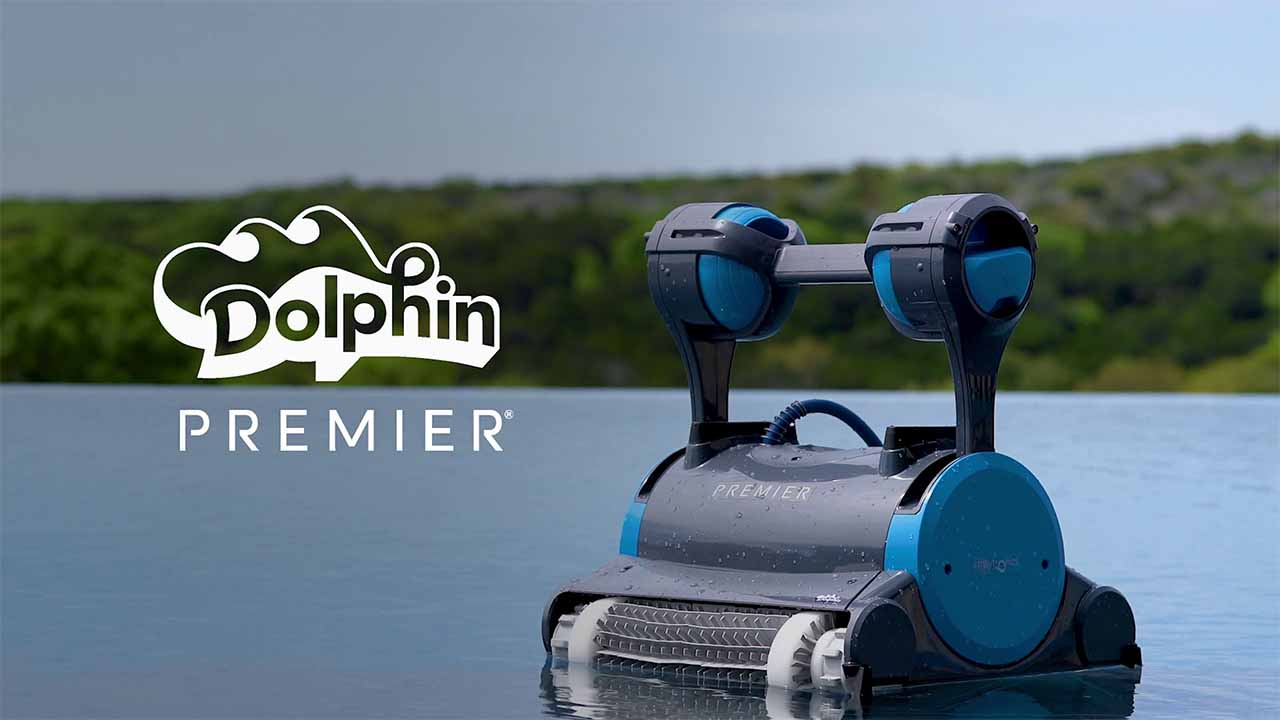
- In the ground, up to 33 ft (16 x 32 ft is typical): the Cayman for floor and walls; choose the Premier instead when the waterline needs scrubbing.
- In the ground, 34 to 50 ft (18 x 36, 20 x 40): the Premier, or the Quantum as the lower-priced alternative.
Liner Care With a Robot in the Pool
The robot never meets the steel. It meets vinyl, and vinyl has a few weak points worth checking before the first cycle.
- Wrinkles: a robot rolls over a shallow wrinkle, but a tall fold can stall it. Smooth what you can on a warm day.
- Loose fittings: a lifted return faceplate or a drain cover with a missing screw can catch a track or the cable. Fix those first.
- Water balance: vinyl kept in badly balanced water stiffens and wrinkles. Balanced water protects the liner and helps the tracks grip. Take the robot out before shocking.
What the Steel Changes, and What It Does Not
Owners sometimes worry that a robot will scratch the wall or start rust. Neither applies, because the wall is on the dry side of the liner.
What steel construction does change is geometry. Above-ground walls meet the floor at a cove that gives a robot a gentle curve to climb from. In-ground panel pools usually have straight walls, a floor that slopes into a hopper, and molded steps. Expect any robot to clean the lower treads better than the top one, and keep a brush handy for the top step.
Setting Up a Robot in a Steel-Wall Pool
- Put the power supply where the cable reaches the far wall with slack to spare, set back from the water by the distance your manual gives.
- Lower the robot in gently and let it sink flat. Do not drop it onto the liner from the deck or the top rail.
- On an above-ground pool, lift the robot by its handle straight up and over the rail once the water drains. Do not drag it across the rail cap.
- Watch the first cycle. If the robot stalls twice at the same ladder leg, step or wrinkle, fix the spot, since the robot is only reporting it.